

In our fast-paced world, where convenience and freshness are paramount, food wrapping stands as an unsung hero in our kitchens and across the food industry. From humble plastic wrap to advanced vacuum sealing, the techniques and materials used to package our food play a crucial role in extending shelf life, preventing spoilage, and maintaining the quality and safety of what we eat. This article explores the science and significance behind food wrapping, examining its benefits, different types, and the innovations that continue to shape how we preserve our culinary delights.
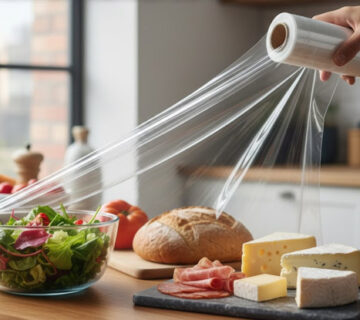
The primary objective of food wrapping is simple: to create a barrier between food and its environment. This barrier protects against a multitude of threats, including air, moisture, light, and contaminants like bacteria and fungi. Exposure to air, particularly oxygen, is a major culprit in food degradation, leading to oxidation, discoloration, and the growth of spoilage microorganisms. By reducing this exposure, food wrapping slows down these processes significantly. For instance, wrapping cut fruits and vegetables tightly minimizes their contact with oxygen, delaying browning and wilting.
Moisture control is another critical aspect. Some foods, like bread, need to retain moisture to stay soft, while others, like crackers, must be kept dry to maintain crispness. Food wrapping helps regulate this moisture exchange, preventing dehydration in some cases and moisture absorption in others. This delicate balance is key to preserving texture and palatability. Furthermore, wrapping helps to contain odors, preventing strong-smelling foods from affecting others in the refrigerator, and vice-versa.
The evolution of food wrapping materials has been driven by the need for greater efficiency, safety, and sustainability. Plastic cling film, typically made from PVC (polyvinyl chloride) or polyethylene, is ubiquitous for its flexibility, transparency, and ability to adhere to surfaces, creating a tight seal. Aluminum foil offers excellent barrier properties against light, moisture, and odors, and is particularly useful for cooking and grilling. Wax paper and parchment paper are ideal for non-stick applications and separating foods. More advanced methods include vacuum sealing, which removes nearly all air, dramatically extending the shelf life of meats, cheeses, and prepared meals by inhibiting aerobic bacterial growth.
Beyond individual household use, food wrapping is integral to the commercial food industry. Manufacturers rely on sophisticated packaging systems to protect products during processing, transport, and retail display. This includes modified atmosphere packaging (MAP), where the air inside the package is replaced with a specific mixture of gases (e.g., nitrogen and carbon dioxide) to further inhibit spoilage. These industrial-scale solutions ensure that fresh produce, meats, dairy, and baked goods arrive at supermarkets in optimal condition, reducing food waste and ensuring consumer safety.
However, the widespread use of certain food wrapping materials, particularly plastics, has raised environmental concerns. The industry is actively responding with innovations focused on sustainability. This includes the development of biodegradable and compostable films, often derived from plant-based sources, as well as an increased focus on recyclable materials and reduced packaging waste through optimized designs. Consumers are also increasingly adopting reusable food wraps made from beeswax or silicone as eco-friendly alternatives.
In conclusion, food wrapping is a testament to human ingenuity in the quest for preservation. From prolonging the life of our leftovers to ensuring the safety of globally distributed food products, its role is indispensable. As we continue to seek greater efficiency, safety, and environmental responsibility, the science and art of food wrapping will undoubtedly continue to evolve, playing a vital role in our collective effort to enjoy fresher, healthier, and more sustainable food.


No comment