

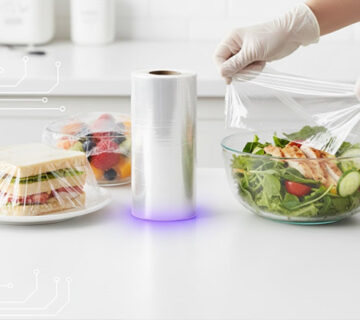
In the bustling world of food production and retail, the journey from farm to fork is fraught with challenges. Spoilage, contamination, and physical damage are constant threats that can erode profit margins and, more critically, compromise consumer health. This is where the humble yet indispensable stretch film steps in, acting as an invisible shield that safeguards our sustenance. Far more than just a wrap, it’s a critical component in maintaining the integrity and shelf-life of food products.
Beyond Just “Wrapping”: The Science of Preservation
Modern food-grade stretch films are marvels of material science. Crafted from high-quality polymers like LLDPE (Linear Low-Density Polyethylene), these films offer a unique combination of properties essential for food packaging:
-
Airtight Seal: By creating a tight, oxygen-limiting barrier, stretch film significantly slows down the oxidation process, which is a primary cause of spoilage in many fresh foods. This extended freshness translates directly into reduced food waste, a major global concern.
-
Moisture Retention: It locks in essential moisture for produce, meats, and dairy, preventing dehydration and maintaining their desirable texture and appearance. Conversely, it can also protect dry goods from absorbing unwanted moisture.
-
Contamination Defense: In a world where food safety is paramount, stretch film acts as a crucial physical barrier against external contaminants like dust, dirt, pests, and even microbial pathogens during transit and storage.
-
Structural Integrity: For bulk packaging or palletized goods, the film securely bundles items, preventing shifting, crushing, and damage. This is vital for maintaining the shape and presentation of delicate items like baked goods or stacked produce.
The Strategic Advantages for Businesses
For food manufacturers, distributors, and retailers, integrating high-quality stretch film isn’t just a cost; it’s a strategic investment with tangible returns:
-
Extended Shelf Life: Directly leads to less waste, higher sales potential, and fresher products on the shelves, enhancing customer satisfaction.
-
Reduced Damage in Transit: Securely wrapped pallets mean fewer broken packages, less product recall, and lower insurance claims.
-
Enhanced Presentation: A clear, taut stretch film allows consumers to view the product clearly while presenting a professional and hygienic image.
-
Compliance with Regulations: Using food-grade film ensures adherence to stringent health and safety standards, protecting your brand from legal and reputational risks.
Choosing the Right Film: A Critical Decision
Not all stretch films are created equal, especially when it comes to food. Key considerations include:
-
Food-Grade Certification: Ensure the film is specifically approved for direct or indirect food contact.
-
Breathability (for specific produce): Some fresh produce benefits from micro-perforated films that allow for controlled respiration while still offering protection.
-
Cling and Puncture Resistance: A strong cling ensures a secure wrap, while good puncture resistance prevents tears from sharp edges or rough handling.
-
Clarity: High transparency is essential for product visibility and consumer appeal.
In conclusion, stretch film is more than just a packaging material; it is an indispensable tool in the modern food industry’s arsenal. It’s the silent guardian ensuring that the food we eat is as fresh, safe, and appealing as intended, ultimately contributing to a more sustainable and trustworthy food supply chain.



No comment