
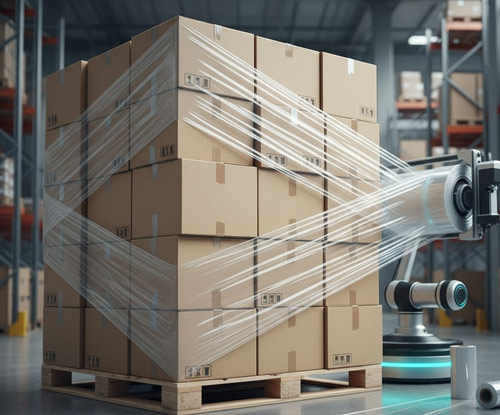
Industrial packaging is far more than just a box or a wrapper; it’s a critical component of the global supply chain, safeguarding products from manufacturing to their final destination. In an increasingly interconnected world, where goods traverse vast distances and encounter diverse environments, robust and effective industrial packaging is paramount. It ensures product integrity, minimizes damage, reduces waste, and ultimately contributes to customer satisfaction and business success. This article delves into the multifaceted world of industrial packaging, exploring its importance, various types, and the innovations shaping its future.
The primary function of industrial packaging is protection. Whether it’s heavy machinery, delicate electronics, bulk chemicals, or construction materials, each product presents unique challenges that demand tailored packaging solutions. This protection extends beyond physical impacts to include environmental factors like moisture, temperature fluctuations, and UV radiation. Imagine delicate circuit boards traveling across oceans; without specialized anti-static and moisture-barrier packaging, they would be rendered useless. Similarly, corrosive chemicals require containers that can withstand their reactive properties, preventing leaks and ensuring safe handling.
Industrial packaging also plays a crucial role in efficiency and logistics. Well-designed packaging optimizes storage space, both in warehouses and during transit. Standardized dimensions allow for efficient stacking and palletization, maximizing cargo capacity and reducing shipping costs. Features like easy-to-handle grips, clearly labeled contents, and tamper-evident seals streamline the entire logistical process, from loading and unloading to inventory management. Furthermore, packaging can be designed to facilitate automated handling systems, further enhancing speed and reducing labor costs in large-scale operations.
The range of materials and designs used in industrial packaging is vast and constantly evolving. Corrugated cardboard, known for its strength-to-weight ratio and recyclability, remains a popular choice for many goods. For heavier or more fragile items, wood crates, plastic containers, and metal drums offer superior protection. Stretch film and shrink wrap are indispensable for unitizing loads, providing stability and protection against dust and moisture. Dunnage, such as airbags, foam inserts, and paper fill, is used to cushion products and prevent movement within the package. Recent innovations are focusing on sustainable materials, lightweight designs, and smart packaging solutions that can monitor conditions like temperature and humidity during transit.
Beyond protection and efficiency, industrial packaging is increasingly recognized for its role in brand image and regulatory compliance. High-quality, well-presented packaging reflects positively on the product and the company. Clear labeling, including barcodes, handling instructions, and safety warnings, is not just a matter of good practice but often a legal requirement. Adherence to international shipping regulations and material standards is essential for smooth customs clearance and global market access.
The future of industrial packaging is being shaped by several key trends. Sustainability is at the forefront, with a growing demand for recyclable, biodegradable, and renewable packaging materials. The rise of e-commerce is driving innovations in packaging that can withstand multiple touchpoints in the delivery chain and offer an enhanced unboxing experience. Automation and robotics are transforming packaging lines, leading to greater precision and speed. Finally, the integration of smart technologies, such as RFID tags and IoT sensors, promises to provide unprecedented traceability and real-time condition monitoring of packaged goods.
In conclusion, industrial packaging is an unsung hero of modern commerce. It’s the silent guardian that ensures products reach consumers safely and efficiently, underpinning global trade and economic growth. As industries continue to evolve, so too will the ingenuity and sophistication of industrial packaging, always adapting to new challenges and embracing innovation to protect the world’s goods.




No comment